We offer a 120-day trial period for unused products.


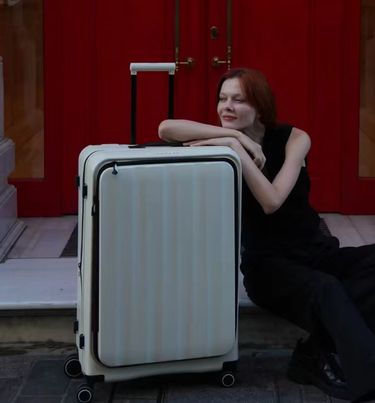
Student Luggage: Essential Tips for University & Studying Abroad
Packing for university or studying abroad can be a daunting task, especially when it comes to choosing the right luggage. With countless options available, it’s essential to find luggage that suits your needs, fits your budget, and makes traveling as a student convenient and stress-free. In this comprehensive guide, we’ll explore everything you need to know about student luggage, including the best types, packing tips, and how to make the most of your space.
Choosing the right light hand luggage is a crucial part of preparing for university or studying abroad. As a student, you need luggage that is practical, durable, and easy to handle. This guide aims to help you navigate the myriad of options available and make an informed decision.
1. Types of Student Luggage
Backpacks: Ideal for daily use and short trips. Look for sturdy, comfortable designs with plenty of compartments.
Suitcases: Available in various sizes, suitcases are perfect for long trips. Consider hard shell or soft shell based on your travel needs.
Duffel Bags: Flexible and easy to carry, duffel bags are great for short trips or as a secondary piece of luggage.
2. Choosing the Right Size
Carry-On: Perfect for short trips or as an additional bag. Ensure it meets airline size restrictions.
Checked Luggage: Suitable for longer trips. Choose a size that accommodates all your essentials without exceeding weight limits.
3. Durability and Material
Hard Shell vs. Soft Shell: Expandable hard luggage offers better protection for fragile items, while soft shell options are lighter and more flexible.
Best Materials: Polycarbonate and ABS are popular for hard shells due to their durability. For soft shells, look for high-denier nylon or polyester.
4. Packing Tips for Students
Efficient Packing: Roll clothes instead of folding to save space. Use packing cubes to organize items and maximize space.
Space-Saving Hacks: Utilize every inch of space, including packing shoes with smaller items and using vacuum compression bags.
5. Essential Items to Pack
Clothing: Pack versatile pieces that can be mixed and matched. Consider the climate and length of stay.
Electronics: Bring necessary gadgets like laptops, chargers, and adapters. Don't forget power banks for on-the-go charging.
Study Materials: Ensure you have essential textbooks, notebooks, and stationery.
6. Best Luggage Brands for Students
Top Recommendations: Brands like Samsonite, American Tourister, and Away offer durable, stylish options for students.
Budget-Friendly Options: Look for sales or consider brands like AmazonBasics and Rockland for affordable, quality luggage.
7. Luggage Features to Look For
Wheels: Opt for large hardside spinner suitcase with 360-degree wheels for easy maneuverability.
Handles: Telescoping handles that lock at different heights are ideal for comfort and ease of use.
Compartments: Multiple compartments help keep your belongings organized.
8. Security Considerations
Locks: TSA-approved locks are essential for securing your luggage.
TSA-Approved Features: Look for bags with built-in TSA locks or compartments.
9. Travel Accessories for Students
Organizers: Packing cubes and toiletry bags help keep items organized.
Tags: Durable luggage tags make it easy to identify your bags.
Locks: Additional padlocks can provide extra security for your belongings.
10. Packing for Different Climates
Warm Weather: Pack light, breathable clothing and sun protection.
Cold Weather: Bring layers, including thermals, sweaters, and a durable coat.
Mixed Weather: Be prepared for varying temperatures with versatile clothing options.
11. Organizing Your Luggage
Packing Cubes: These are excellent for separating different types of clothing and maximizing space.
Compression Bags: Perfect for reducing the volume of bulky items like jackets and sweaters.
12. Maintaining and Cleaning Your Luggage
Tips: Regularly clean the exterior and interior of your luggage. Check wheels and handles for damage.
Best Practices: Store luggage in a cool, dry place when not in use. Use protective covers to prevent dust and damage.
13. Handling Luggage During Travel
Airports: Use luggage carts and follow baggage claim procedures to avoid losing your bags.
Public Transport: Be mindful of your luggage in crowded areas to prevent theft or damage.
Accommodation: Utilize luggage stands and keep your bags locked in shared accommodations.
14. Dealing with Lost Luggage
Prevention: Label your luggage with your contact information. Take photos of your bags before traveling.
Steps to Take: Immediately report lost luggage to the airline or transportation provider. Keep receipts and documentation for insurance claims.
15. Sustainable Luggage Options
Eco-Friendly Brands: Companies like Samsonite and Patagonia offer sustainable luggage options made from recycled materials.
Recyclable Materials: Look for bags made from recyclable or biodegradable materials to reduce environmental impact.
16. Student Travel Insurance
Importance: Travel insurance can cover lost luggage, medical emergencies, and trip cancellations.
What to Look For: Choose a plan that covers your specific needs, including international travel and student discounts.
17. User Reviews and Experiences
Testimonials: Real-life experiences can provide valuable insights into the performance and durability of different luggage brands.
Personal Stories: Learn from other students' experiences to make informed decisions about your luggage choices.
18. Future Trends in Student Luggage
Innovations: Look out for smart luggage with features like built-in chargers and GPS tracking.
Emerging Brands: New brands focusing on student needs and sustainability are entering the market, offering innovative solutions.
FAQs
What size luggage is best for university students?
A medium-sized suitcase for checked luggage and a carry-on backpack is ideal for most university students.
How can I maximize space in my luggage?
Use packing cubes, roll your clothes, and take advantage of every inch of space, including shoes and small compartments.
Are hard shell or soft shell suitcases better for students?
It depends on your needs. Hard shell suitcases offer better protection, while soft shell options are lighter and more flexible.
What should I pack for studying abroad?
Pack versatile clothing, essential electronics, study materials, and any personal items you can't live without.
How do I keep my luggage secure?
Use TSA-approved locks, label your bags, and consider additional security measures like padlocks.
Is travel insurance necessary for students?
Yes, travel insurance can provide peace of mind and cover unexpected events like lost luggage or medical emergencies.
Conclusion
Choosing the right luggage is essential for a smooth transition to university or studying abroad. By considering factors like size, durability, and special features, you can find the perfect luggage to suit your needs. With the tips and recommendations in this guide, you'll be well-prepared for your academic journey and any adventures that come your way.




© 2024 VERAGE Powered by Shopastro
Last Updated24/01/2026